Who Does What After a Water Loss: Flooring Responsibilities Between Mitigation, Adjuster and Installer
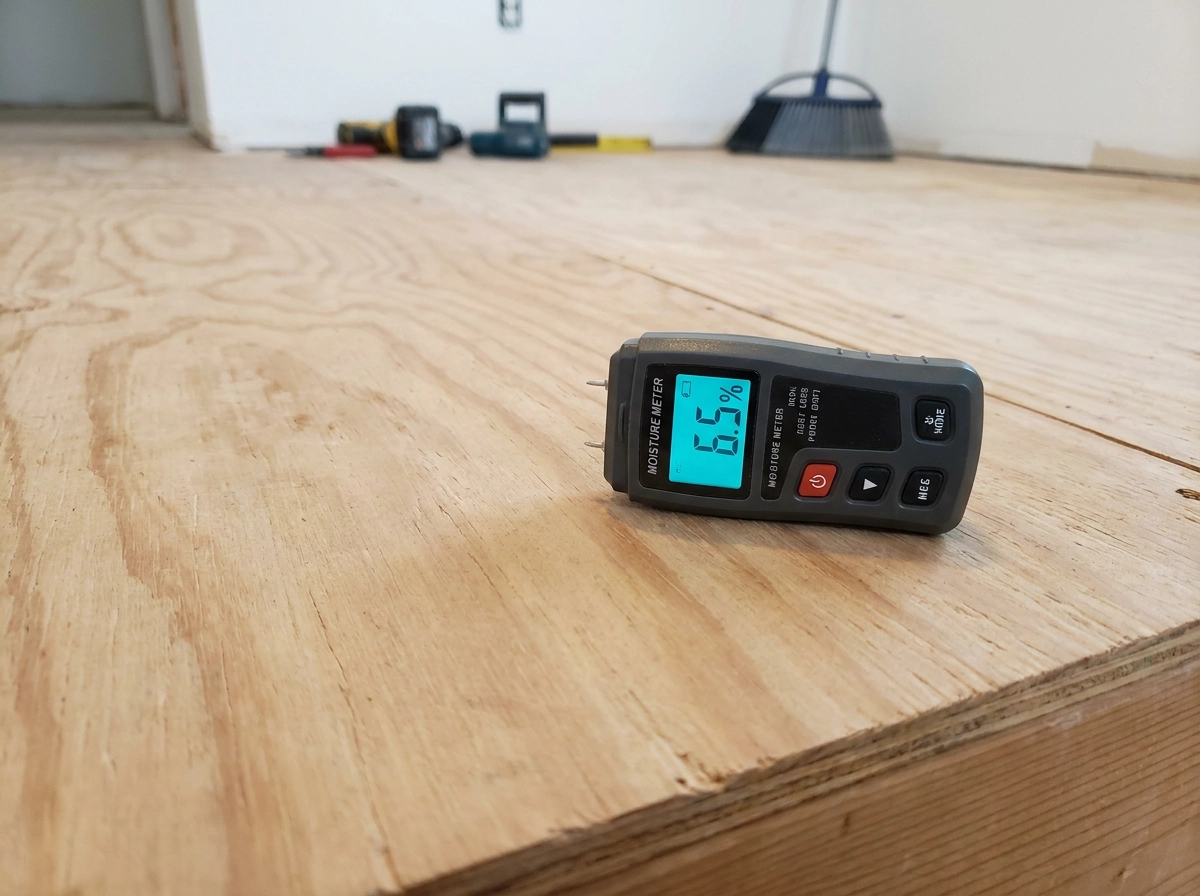
Explore your options, then talk with Final Floors about your home or business.
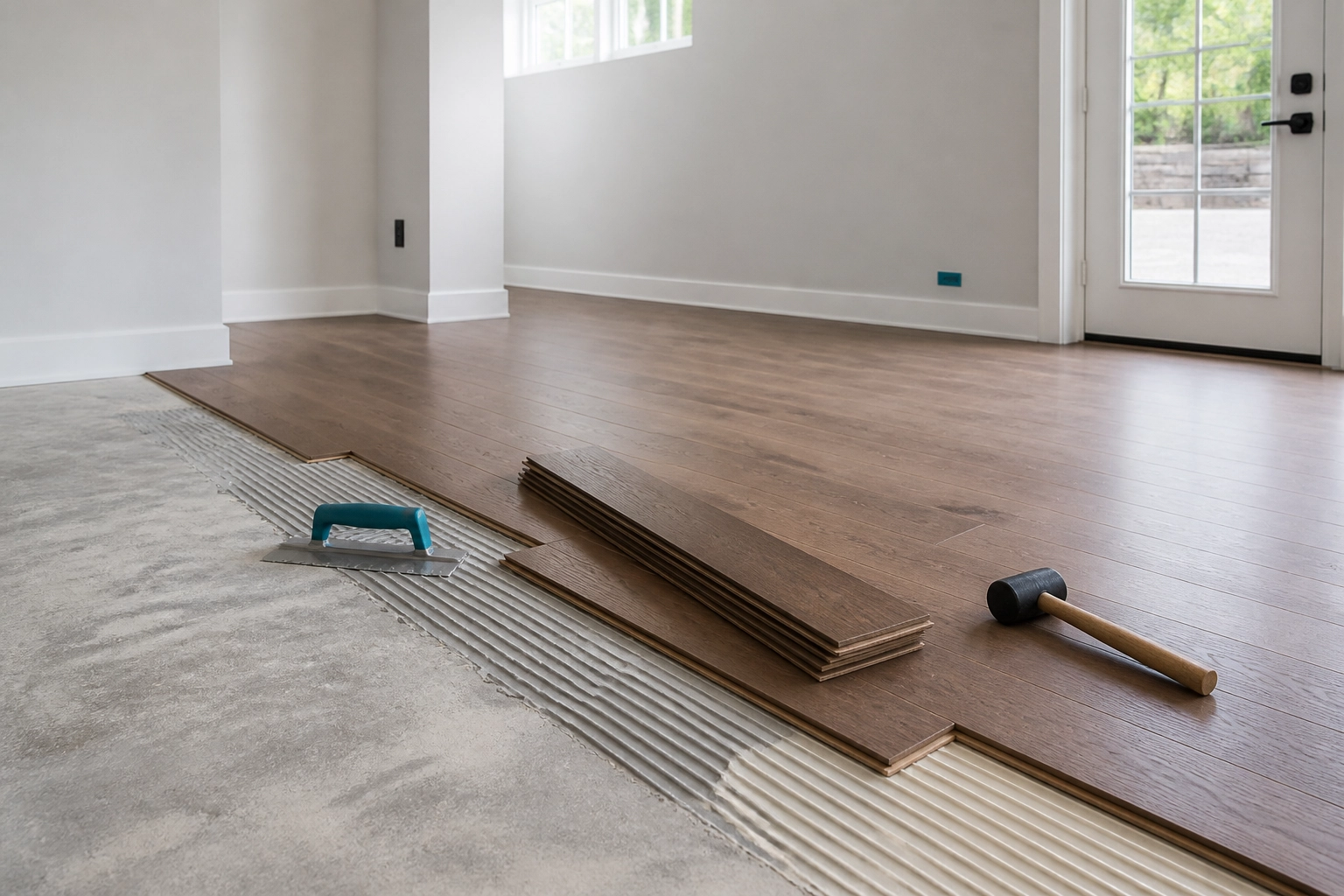
In a basement, the installation method decides success more than the plank does. Here is what a below-grade Johns Creek slab forces into the scope, and what to ask any installer who quotes it.
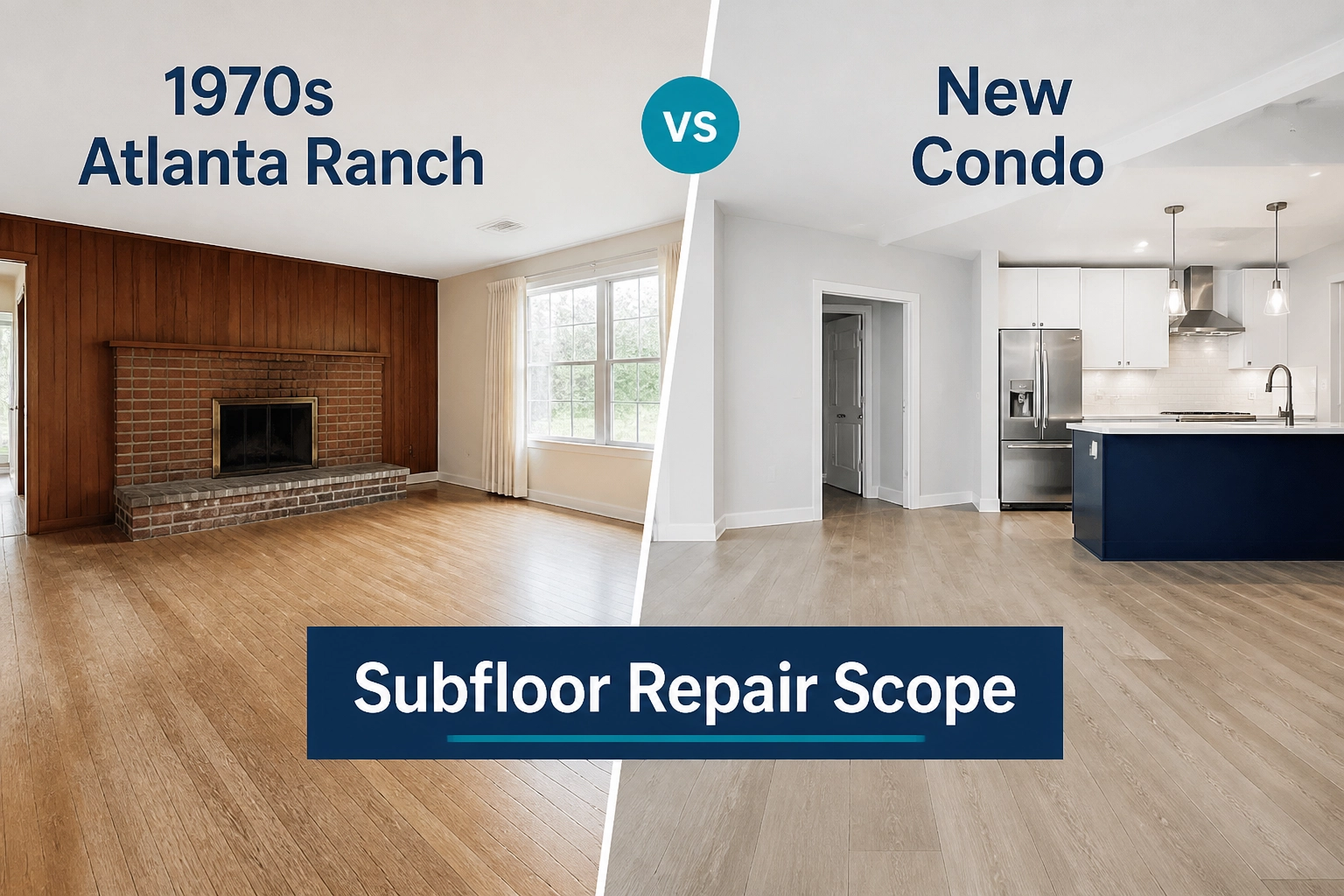
An uneven floor in a 1970s Metro Atlanta ranch and one in a new-build condo can look identical yet need very different prep. Here is how era, framing and slab construction change the inspection, the leveling approach and the estimate.

Your finish choice decides how long the house stays empty, how the sheen reads on the species already installed and how easy touch-ups are years later. Here is how water-based, oil-modified and hard-wax oil systems differ.

Staying in the house during a hardwood refinish is a scheduling problem before it is a sanding problem. Here is how to lock room order, furniture zones and walk-on timing into the written scope.
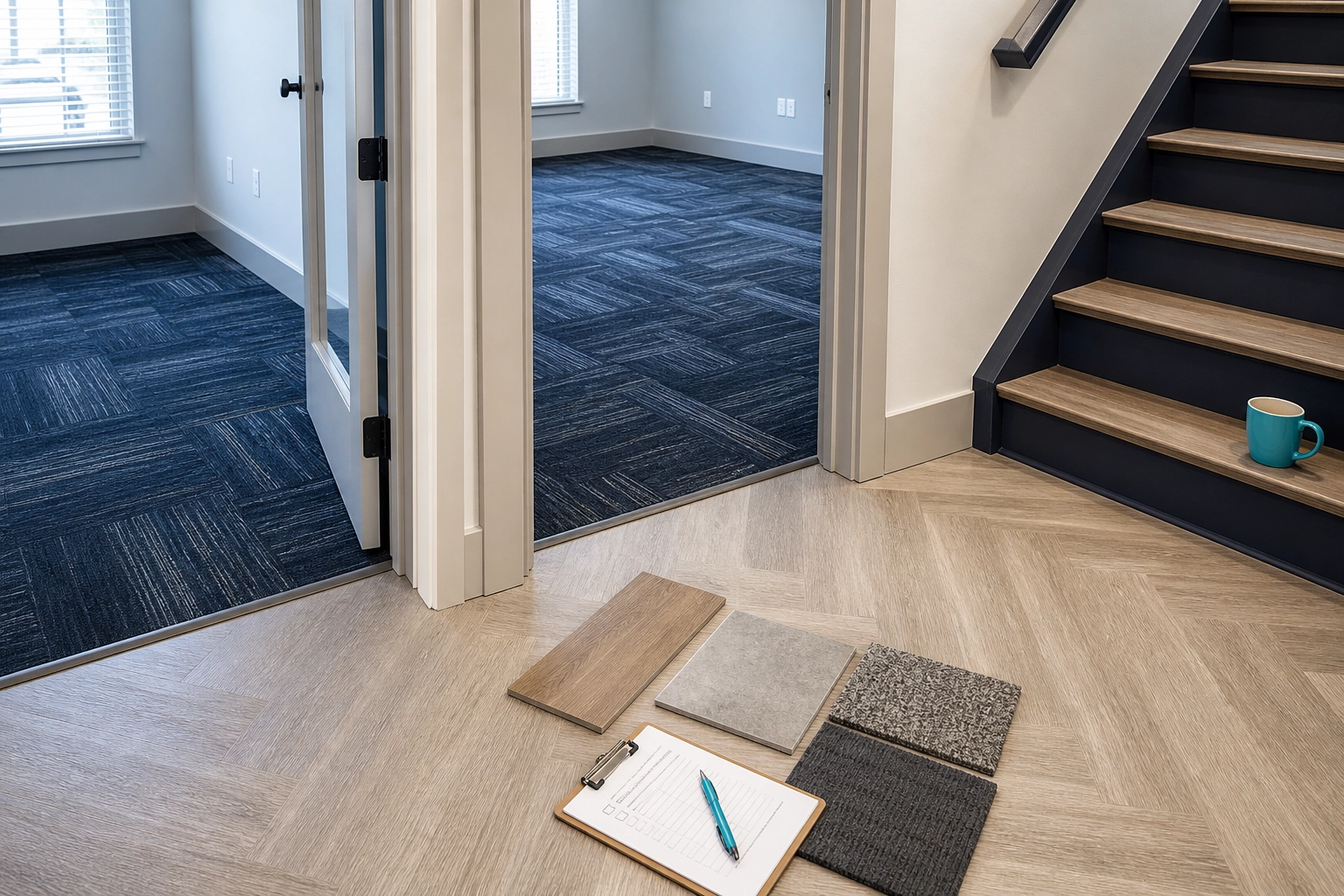
Turnover flooring works as a repeatable scope, not a per-unit judgment call. Here is how property managers decide what gets LVP, what gets carpet, and what the vendor handles between move-out and move-in.
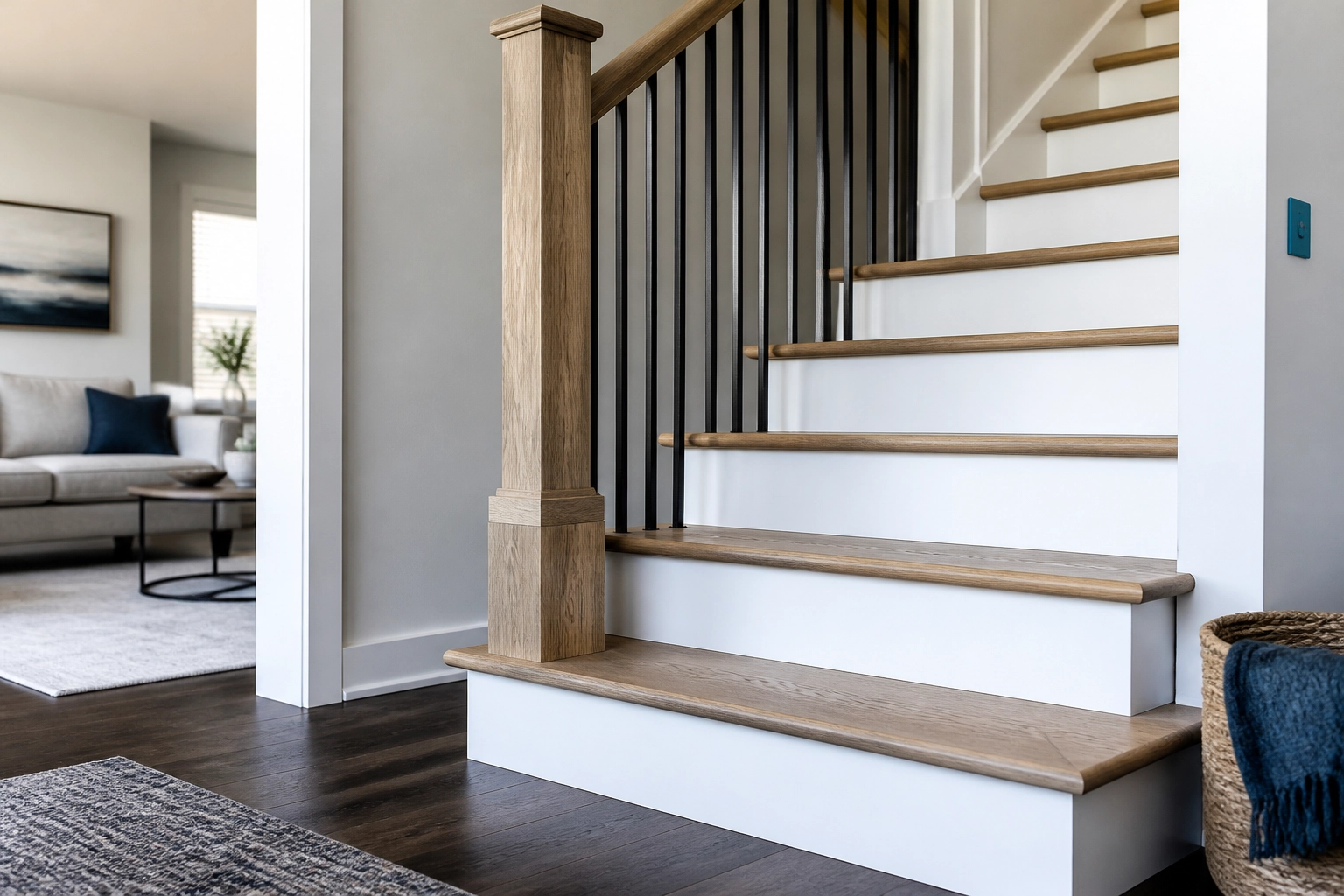
When carpet comes off a Metro Atlanta staircase, the scope is set by the stairs themselves. Here is how treads, risers, nosing, stringers and rail height decide whether your stairs get refinished, capped or rebuilt.
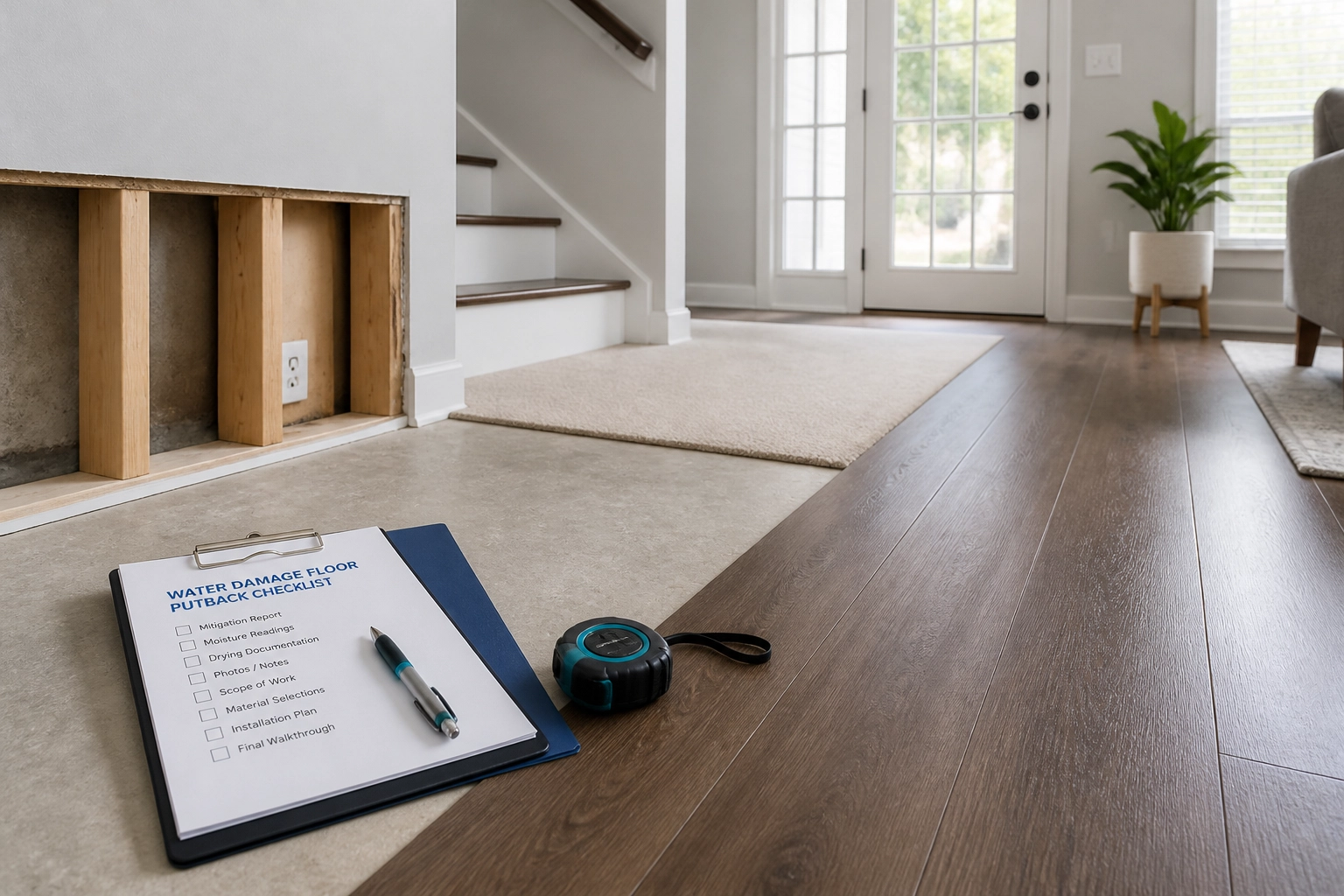
The mitigation crew is gone and the equipment is out, but the file they leave behind decides what your flooring estimate can specify. Here is the packet to collect before LVP or carpet goes back down.

SB 406 does not regulate flooring, but it does change how associations register, bill and enforce. Here is what owners and boards should confirm before a condo flooring install goes on the calendar.

A condo board does not need four flooring decisions. It needs one documented common-area standard covering the lobby, corridors, elevator cabs and stair wells, plus a clear process for approving exceptions.

Curled edges, opened seams and tenting in glue-down LVP usually trace back to four spec gaps: adhesive, slab moisture, flatness and traffic timing. Here is what a written scope should state before the lease is signed and the slab is covered.
More from Flooring Insights
Compare floor condition, project access and the selected finish's return-to-use instructions.
Plan use zones, preparation, operating access and product requirements before comparing estimates.
Separate moisture testing, substrate flatness and acoustic requirements in the written flooring scope.
Plan flooring repairs after mitigation, drying and needed remediation are completed by others.
Compare the exact LVP product, substrate repairs, transitions and tenant-turn work sequence.