Carpet Installation in Metro Atlanta: Homes and Commercial Spaces
Plan carpet or commercial carpet tile in Atlanta, Smyrna and Marietta. Compare preparation and installation scope. Get a free Final Floors estimate.

Carpet installation in Metro Atlanta starts before the first roll is cut. A useful written estimate identifies the product, installation method, substrate preparation, layout, transitions and cleanup. For an office or rental property, it should also account for access and how the space will return to use.
Final Floors, LLC installs residential carpet and commercial carpet tile. Here is what to ask about each stage when comparing a project in Roswell, Alpharetta, Marietta, Smyrna, Sandy Springs or Atlanta.
1. Measure the rooms and plan the layout
Measurements should cover rooms, closets, halls and transitions. Carpet width, pattern repeat, pile direction and seam layout influence the quantity ordered. A real-estate listing’s square footage is not an installation takeoff.
Ask where seams are proposed and how the selected pattern affects waste. Discuss appearance in the room’s lighting. Properly constructed seams may still be visible depending on the material, layout and lighting; an invisible-seam promise is not a sound basis for choosing an installer.
2. Inspect the substrate and agree on preparation
Removal may reveal damaged panels, old adhesive, uneven areas or another condition that needs attention. Specify what preparation is included and how additional findings will be documented before work is added.
Concrete and wood substrates have different requirements. Moisture testing, surface preparation and suitable materials must follow the exact carpet, adhesive, cushion and installation-system instructions. A surface that looks dry is not sufficient evidence of readiness. Review subfloor repair and leveling if the existing floor has soft spots, movement or uneven areas.
3. Specify the system: stretch-in, glue-down or carpet tile
Residential stretch-in carpet, direct-glue carpet, double-glue systems and modular carpet tile are different installations. They do not all use the same cushion, tack strip or stretching method. The Carpet and Rug Institute publishes CRI 105 for residential carpet and CRI 104 for commercial carpet; use the appropriate guidance alongside the selected manufacturer’s requirements.
For a cushioned installation, identify the exact cushion specification and its compatibility with the carpet. Thickness, density and construction all need consideration; “pad included” does not identify the product. For carpet tile, confirm the backing, approved adhesive or attachment system, layout orientation and preparation requirements.
4. Build seams and secure the carpet correctly
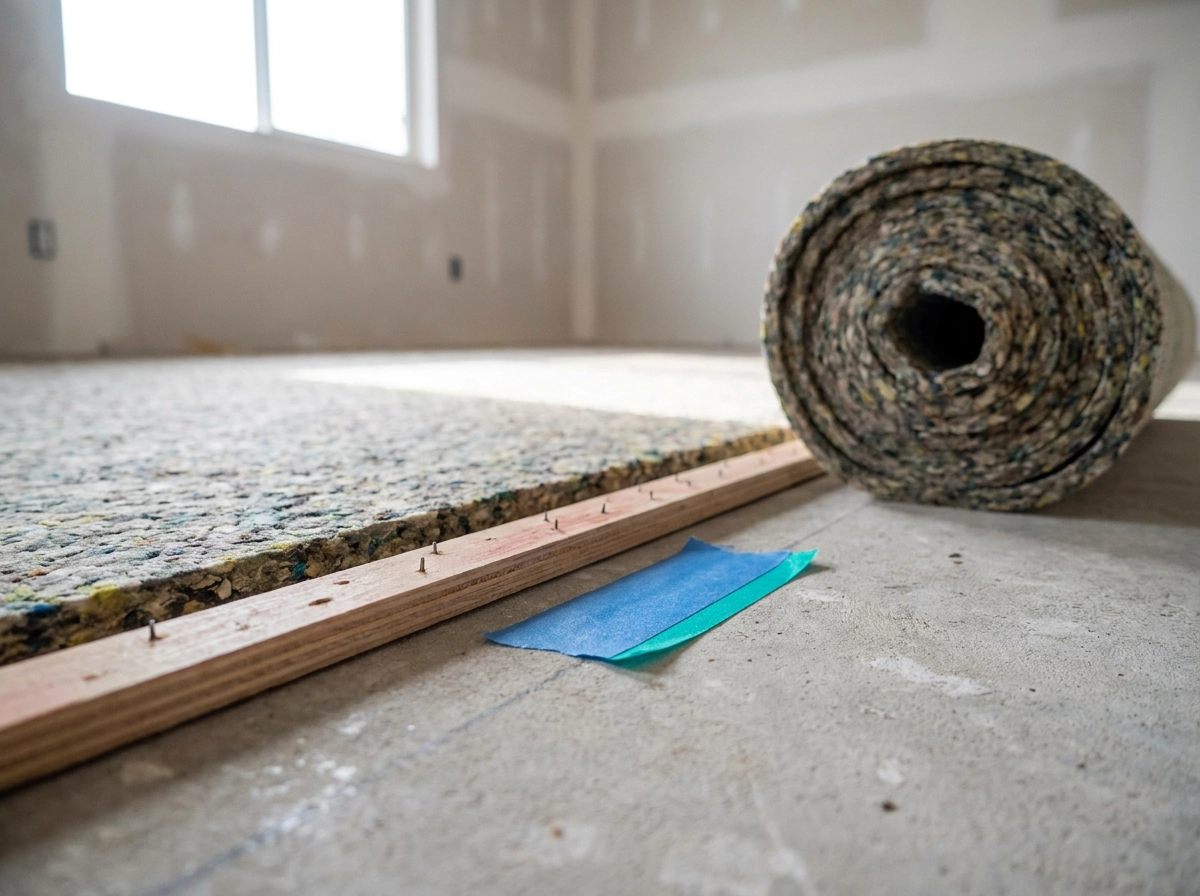
The installer should follow the carpet’s requirements for edge preparation, seam construction and the selected installation method. Stretch-in installations require appropriate tension and tools. Glue-down and modular systems depend on the specified adhesive or attachment method and substrate preparation.
Ask which method is being quoted. A question about power stretching is relevant to a stretch-in installation; it does not establish the quality of a glue-down carpet tile project.
5. Detail stairs, doorways and transitions
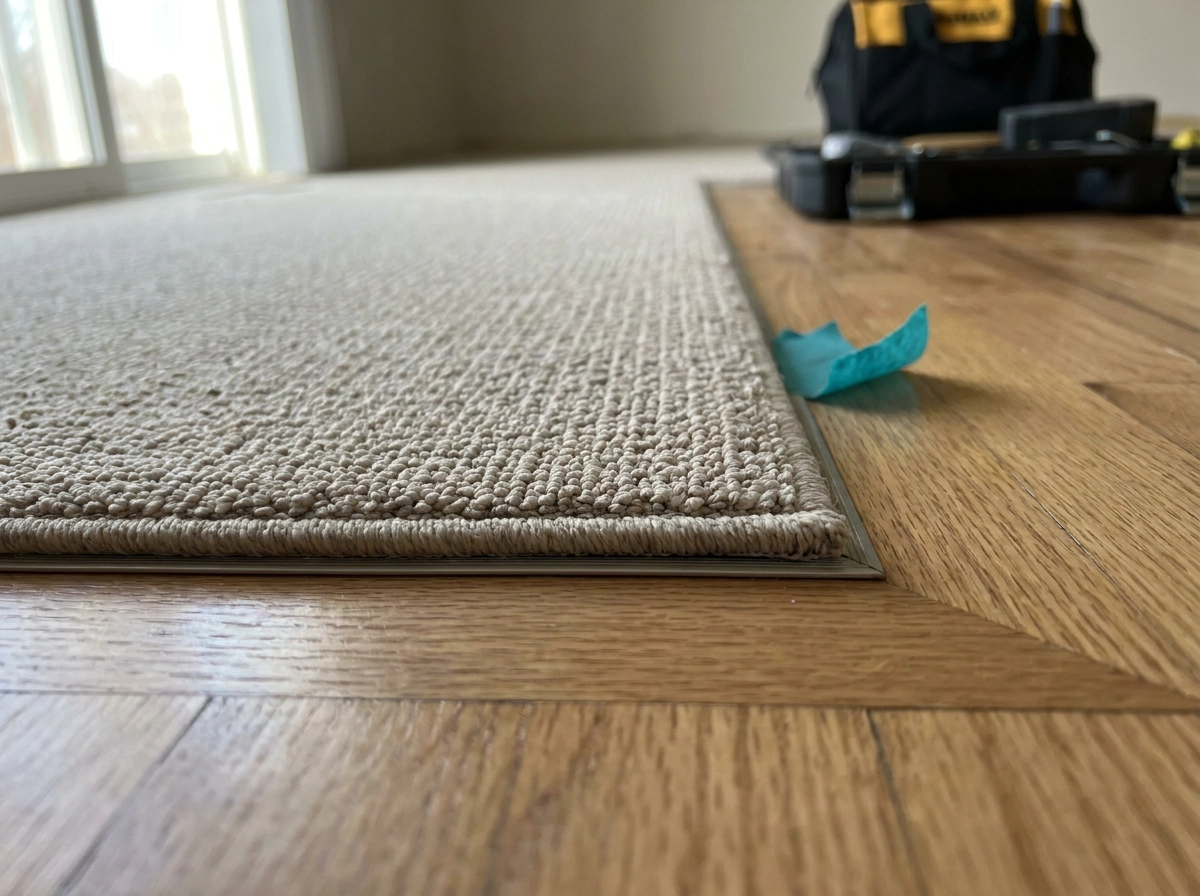
Transitions must suit the adjacent surfaces and height differences. Door clearances, vents, trim and exposed edges belong in the scope. Stair work requires an installation detail appropriate to the selected carpet and stair construction. Ask how the edges will be secured and whether existing trim or flooring needs modification.
If the project includes hardwood stair changes, discuss staircase renovation as a separate scope. Do not assume that carpet installation includes structural stair repair.
6. Plan commercial access and turnover
For an occupied Smyrna office, a Marietta rental or an Atlanta condo building, discuss furniture, elevator reservations, delivery access and which areas must stay available. Confirm the product’s return-to-use requirements before promising an occupancy date.
Commercial carpet tile selection should match the facility’s use, maintenance needs and installation conditions. Ask about replacement stock and the approved process for replacing individual tiles. Compare options through Final Floors commercial flooring; brand alone does not establish a product’s suitability.
7. Walk the completed project and keep the records
Review seams, transitions, edges and stairs with the crew. Document concerns and obtain the product information, maintenance instructions and applicable warranty terms. Agree on furniture handling, removal, disposal and cleanup before installation begins.
Material availability, preparation findings and building access affect the schedule. Ask for a project-specific plan rather than a guaranteed turnaround before the property has been inspected.

Request a carpet or commercial carpet tile estimate
Send your city, approximate area, existing flooring, photos and whether the space will be occupied during the work. Final Floors can help define the carpet installation and preparation scope for your Metro Atlanta property.
Request a free flooring estimate, call 770-910-9719, or text 770-870-9876.